Data-oriented systems are inferring relationships between people based on genetic material, behavioral patterns (e.g., shared geography imputed by phone carriers), and performed associations (e.g., “friends” online or shared photographs). What responsibilities do entities who collect data that imputes connections have to those who are implicated by association? For example, as DNA and other biological materials are collected outside of medicine (e.g., at point of arrest, by informatics services like 23andme, for scientific inquiry), what rights do relatives (living, dead, and not-yet-born) have? In what contexts is it acceptable to act based on inferred associations and in which contexts is it not?
This document is a workshop primer from The Social, Cultural & Ethical Dimensions of “Big Data”.
Related Resources

Último lugar en la economía centrada en la IA: cómo la industria de la IA se basa en la marginación de los trabajadores.
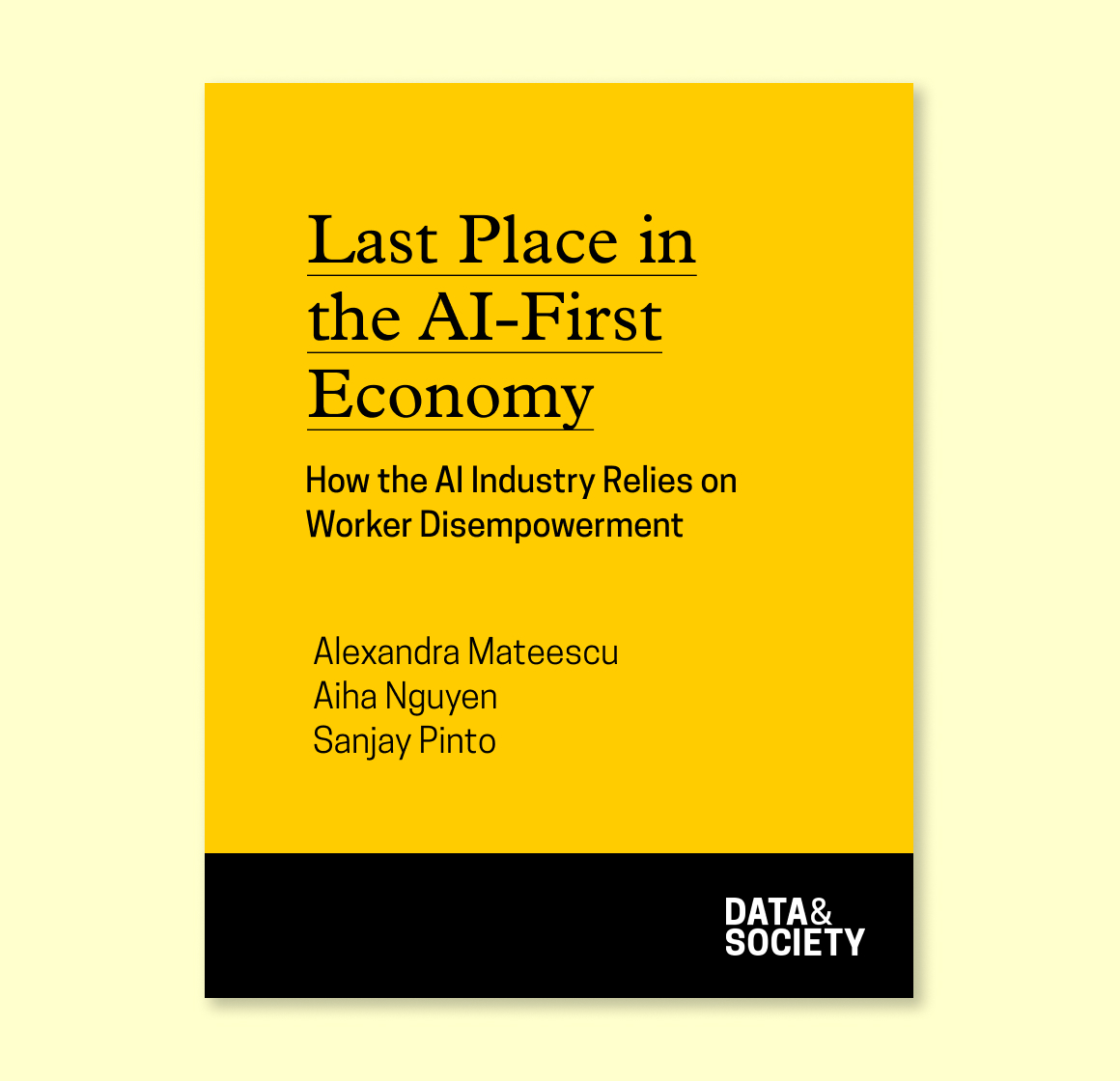
Último lugar en la economía centrada en la IA: cómo la industria de la IA se basa en la marginación de los trabajadores.
A Horizon Scan of AI and Higher Education: Fourteen Issues That May Transform the Sector

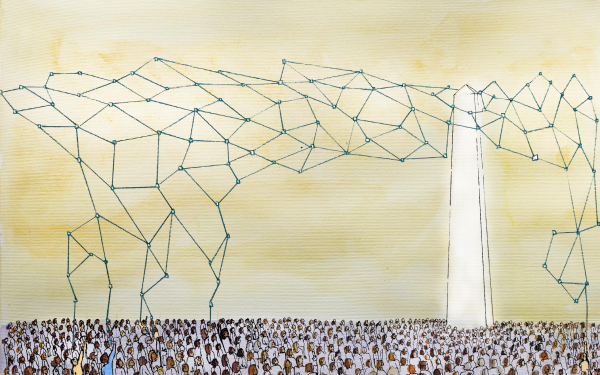
Fortalecer la ciudadanía para la era de la IA.
(404) Job Not Found: What Workforce Training Can’t Fix for Black Atlantans in the Age of AI

“AI Can’t Do Nothing With Us!”: Inside One Atlanta Workforce Training Program