How the Internet is Shaping Social Change, and Social Change is Shaping the Internet
Summary
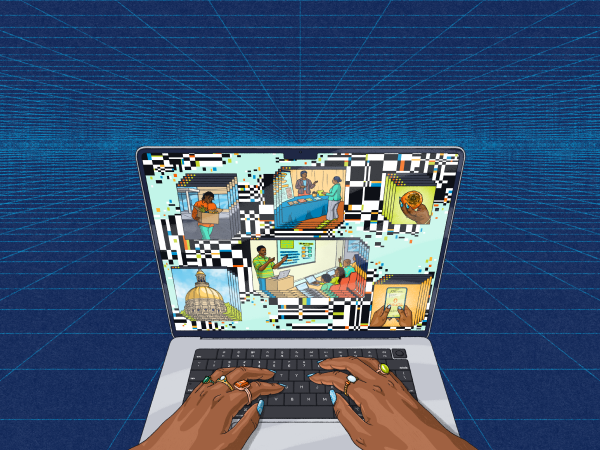
As activism for police accountability, fair wages, just immigration, and more takes center stage — social justice movements of the 21st century are using technology to achieve greater scale and reach wider audiences. But are these digital strategies building power for long-term social change, or helping maintain the status quo?
A new report from the Center for Media Justice says the answer depends on the strategy — and offers new approaches and recommendations, from a diverse cross-section of leaders, for building effective social movements in an age of big data and digital technology.
Key Takeaways
The strategies and approaches in the Digital CultureSHIFT report provide a path forward for addressing the way social movements integrate new approaches , or remain stuck in a cycle that limits our effectiveness.
What We Learned
- 100% of those interviewed said that digital strategies and platforms provide a voice when mainstream media ignores issues.
- The vast majority of leaders interviewed widely use digital platforms to catalyze action, but say over-reliance on these tools can limit relationship-building.
- The Internet is helping to shift national organizations from centralized to decentralized, from geographically specific to geographically diverse, and from hierarchical leadership to multi-level leadership.
- Targeted surveillance is a top concern — but the vast majority of leaders of color interviewed felt that advocacy for digital privacy did not include their voices or their visions for change.