
Based on 10 months of fieldwork and five months of co-design interviews and focus groups with city staff and green software practitioners, this guide introduces staff and…

Read the series Download the transcript
“At the same time that [the Big Tech industrialists] are trying to sweetheart us into thinking that AI tools and products are good for us, they’re also undermining [the] expertise that we all really value within our careers and industries.”
– Lisa Messeri
As AI is integrated into scientific practice, the practice of science itself is changing. AI models that summarize, categorize, simulate, and predict not only stand to accelerate scientific research; they now sit inside these practices, alternately enhancing and eroding craft while shifting how questions are posed, what counts as evidence, how tacit judgment is taught and exercised, and reshaping trust in results.
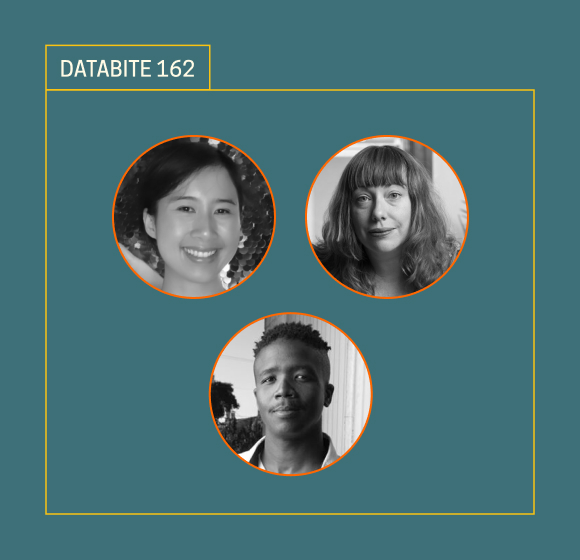
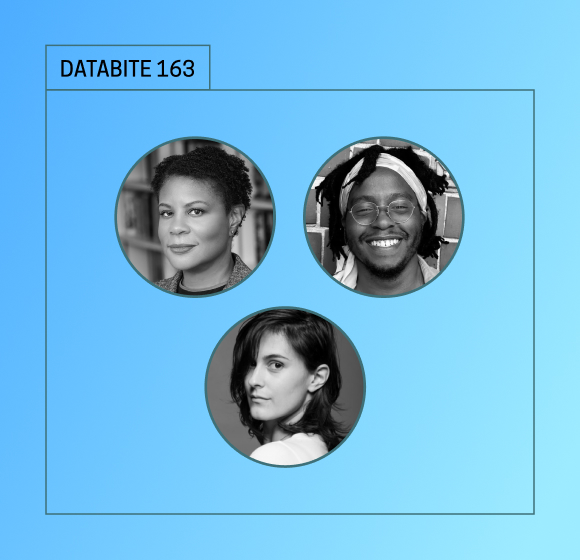
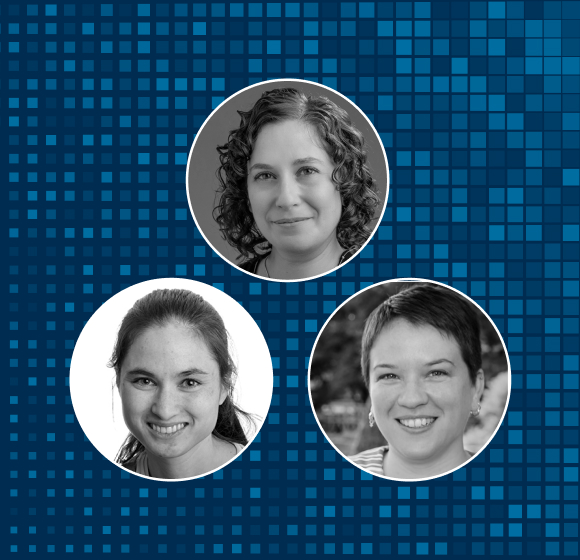
In a conversation moderated by AI on the Ground Program Director Ranjit Singh, Kristin M. Branson, senior group leader at the Howard Hughes Medical Institute’s Janelia Research Campus; Lisa Messeri, associate professor of sociocultural anthropology at Yale University; and Nicole C. Nelson, associate professor in the Department of Medical History and Bioethics at the University of Wisconsin–Madison discussed the impact of machine learning tools on the nature of proof, inference, uncertainty, and error in scientific workflows today.

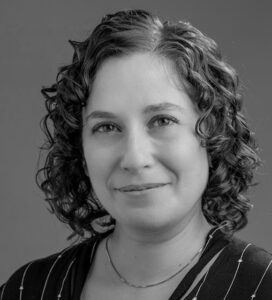

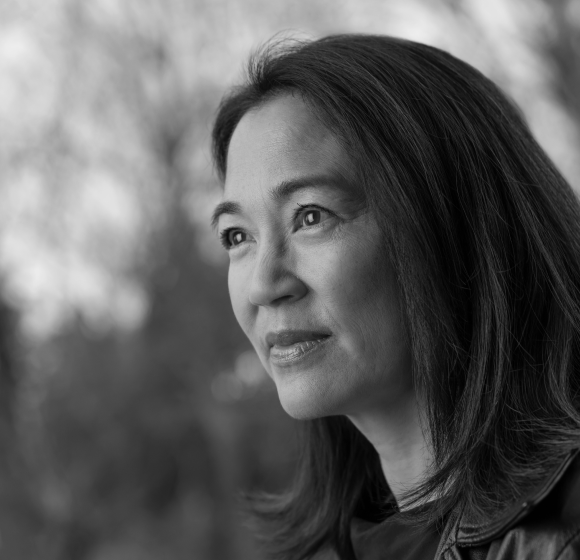
Dr. Kristin M. Branson is a senior group leader at the Howard Hughes Medical Institute’s (HHMI) Janelia Research Campus in Ashborn, Virginia.
Dr. Lisa Messeri is an associate professor of sociocultural anthropology at Yale University.
Dr. Nicole C. Nelson is an associate professor in the Department of Medical History and Bioethics at the University of Wisconsin–Madison.
References
Readings
Production: Rigoberto Lara Guzmán
Post-Production: Túnica Onnekikami
Design: Surbhi Chawla
Editorial: Eryn Loeb