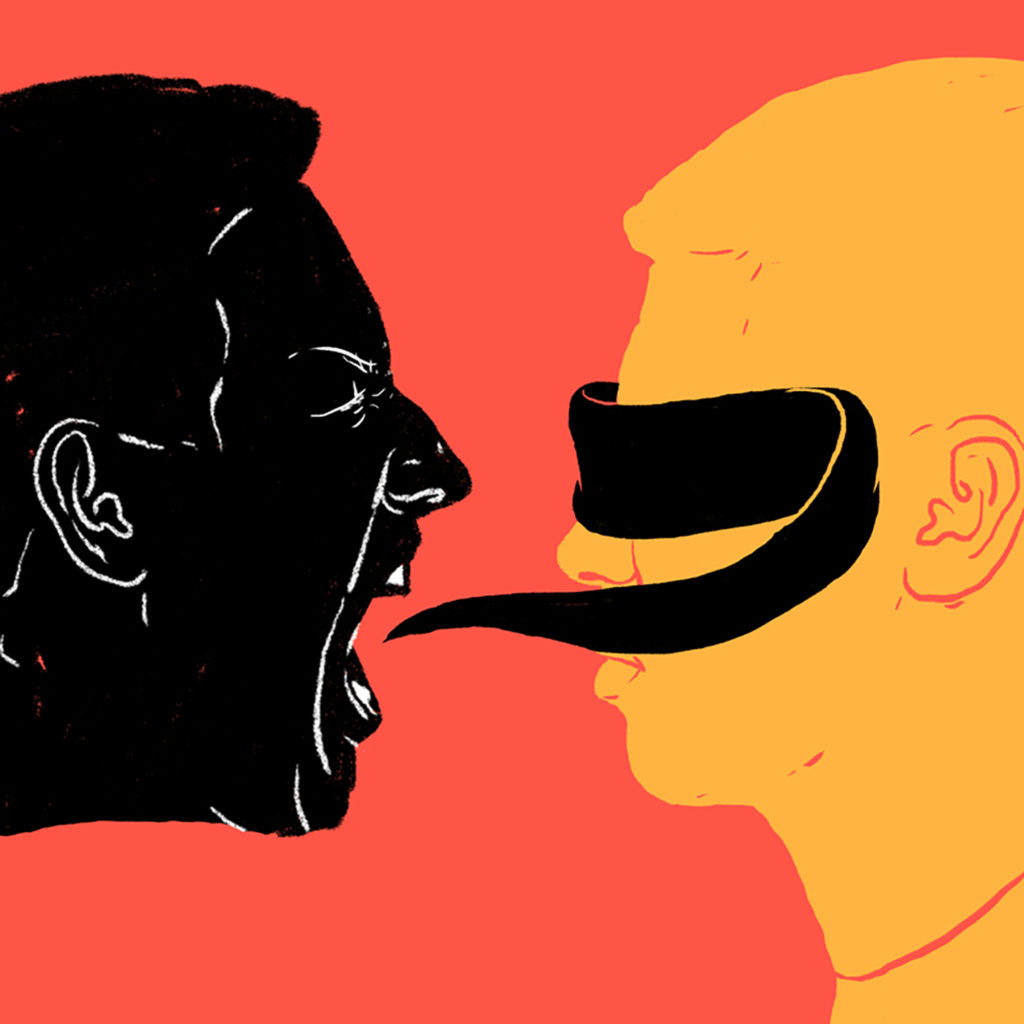
The spread of false or misleading information is having real and negative effects on the public consumption of news.
Internet subcultures take advantage of the current media ecosystem to manipulate news frames, set agendas, and propagate ideas.
Far-right groups develop techniques of “attention hacking” to increase the visibility of their ideas through the strategic use of social media, memes, and bots—as well as by targeting journalists, bloggers, and influencers to help spread content.
The media’s dependence on social media, analytics and metrics, sensationalism, novelty over newsworthiness, and clickbait makes them vulnerable to such media manipulation.
While trolls, white nationalists, Men’s Rights Activists, gamergaters, the “alt-right,” and conspiracy theorists may diverge deeply in their beliefs, they share tactics and converge on common issues.
The far-right exploits young men’s rebellion and dislike of “political correctness” to spread white supremacist thought, Islamophobia, and misogyny through irony and knowledge of internet culture.
Media manipulation may contribute to decreased trust of mainstream media, increased misinformation, and further radicalization.
Abstract: This essay reflects on the lived experience of early internet culture to interrogate what has been lost in the transition to today’s platform-dominated online…
Abstract: "Rather than framing disinformation as false facts which can be countered by true facts, we propose a model of disinformation as narrative by tracing three case studies…
Director of Research Director of Research Alice Marwick appears on KQED's Forum to discuss what increasingly realistic deepfake videos mean for our ability to trust what we see…
Abstract: This article investigates the intersection of identity, power, and knowledge production on U.S. ConspiracyTok, a genre of TikTok videos promoting conspiracy theories…