Generative AI has seeped into many corners of our lives, and threatens to upend the economy as we know it, from education to the film industry. How do workers’ encounters with it differ from their experiences with other systems of automation? How are they similar, and how might this help us understand the shape and stakes of this latest technology?
In this three-part Databite series, Data & Society’s Labor Futures program brought together creators, platform workers, call center workers, coders, therapists, and performers for conversations with technologists, researchers, journalists, and economists to complicate the story of generative AI. By centering workers’ experiences and interrogating the relationship between generative AI and underexplored issues of hierarchy, recognition, and adaptation in labor, these interdisciplinary conversations shed light on how new technological systems are impacting worker agency and power.
Explore the academic workshop
Featured Events
January 18, 2024, 1:00 – 2:00 p.m. ET | Hierarchy
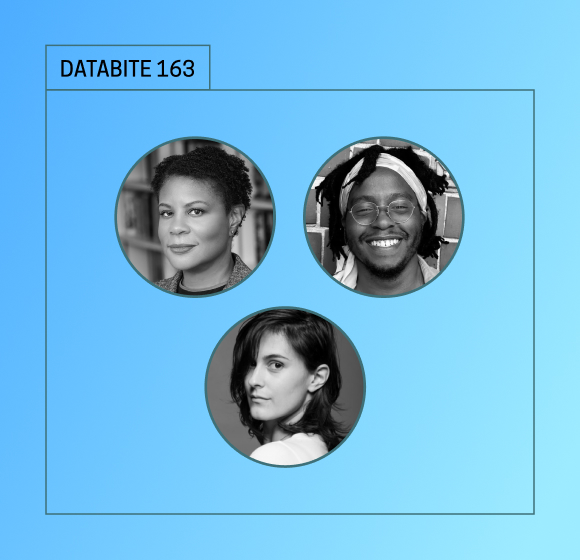
Developers claim generative AI will have sweeping impacts that transform work as we know it, creating new opportunities for workers and unleashing dramatic waves of creativity. But this technology will not affect everyone equally: Societal biases and embedded hierarchies that inform who and what type of work is valuable will also influence how generative AI is rolled out and who benefits from it. John Lopez, Milagros Miceli, Russell Brandom, and Aiha Nguyen interrogate these layers of issues around the technology; consider how it scaffolds on previous economic models, structures, and modes of employment; and explore its impacts on workers across the globe.